.png)


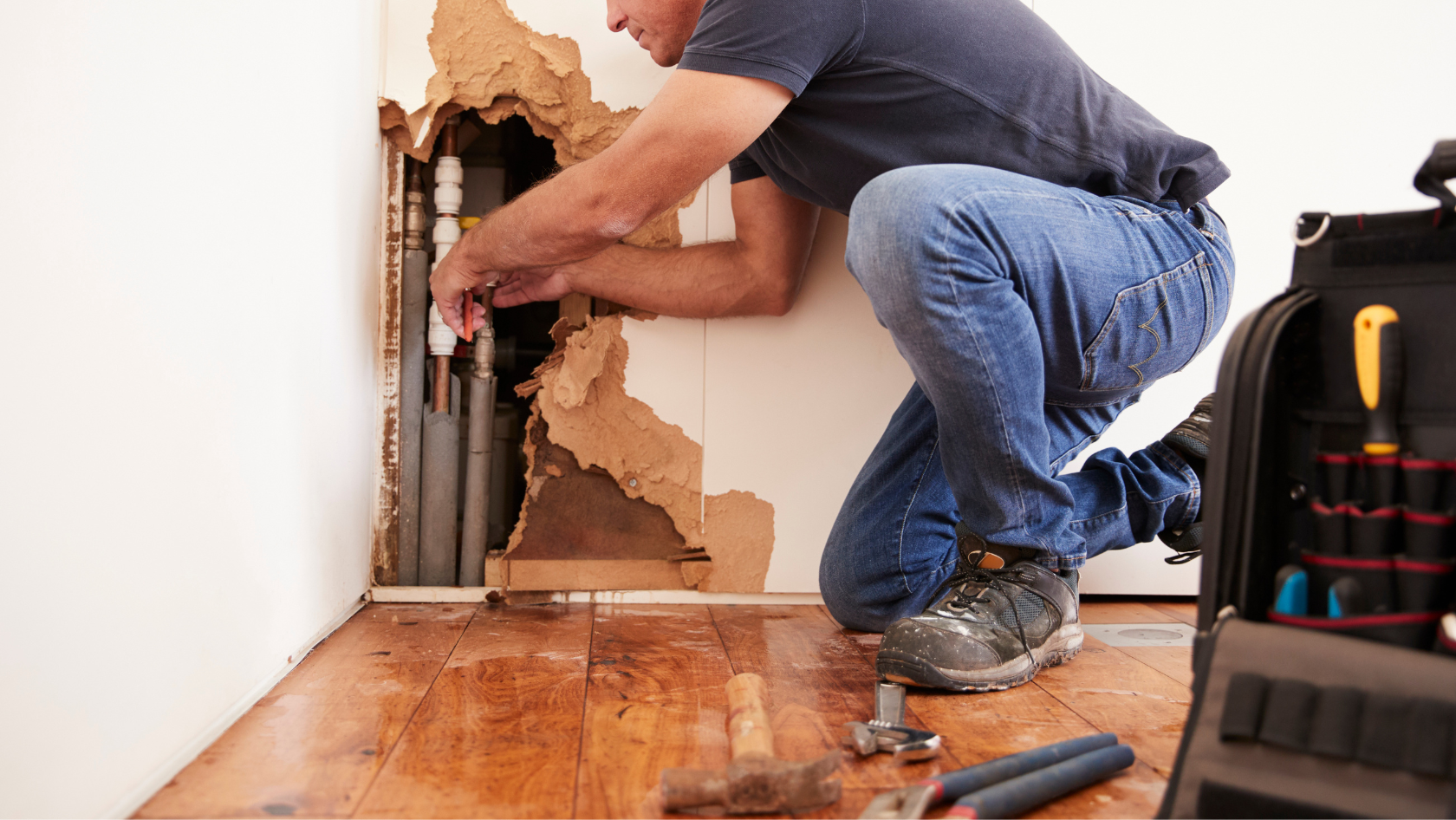

What if I told you that, over 30 years, the average homeowner will spend over $180,000 on repairs and maintenance?
Sounds crazy, right? But when you break it down, it’s simple math: Homeowners spend an average of $6,087 per year on unexpected fixes, according to a recent survey conducted by Real Estate Witch. That’s more than most people’s annual property taxes or homeowners insurance.
From HVAC failures to foundation cracks, home repairs aren’t just expensive—they’re inevitable. Yet almost half of homeowners admit they don’t actively budget for them.
That’s why, of those surveyed, 59% said they couldn’t cover a $5,000 emergency repair without going into credit card debt. And 23% would need to use credit for a $1,000 repair.
So, how much should you save? And what can you do today to avoid debt when disaster strikes? Let’s dive in.
The Cost of Home Repairs
Homeowners spend an average of $6,087 per year on maintenance and repairs—and that doesn’t include planned renovations. Some of the most common (and costly) repairs include:
- HVAC repairs or replacements: $5,000 – $10,000
- Roof repairs or replacement: $3,000 – $15,000
- Plumbing issues (burst pipes, sewer line problems): $2,000 – $10,000
- Foundation repairs: $5,000 – $25,000
- Electrical system repairs: $2,000 – $6,000
Without proper planning, these unexpected expenses can derail your finances. But with a solid emergency savings plan, you can handle home repairs without panic—or piling up debt.
How Much Should Homeowners Save for Emergencies?
A good rule of thumb is to set aside 1% to 3% of your home’s value annually for regular maintenance and unexpected repairs. For a $400,000 home, this means saving between $4,000-$12,000 per year.
For older homes (20+ years) or properties in areas prone to natural disasters, consider saving on the higher end of this range.
How to Build Your Home Emergency Fund (Even on a Tight Budget)
If you don’t have savings set aside yet, don’t worry—it’s never too late to start. Follow these steps to build a solid emergency fund:
1. Start Small and Stay Consistent
- Set a goal: Aim for at least $5,000 in emergency savings.
- Automate savings: Set up an automatic transfer of $50-$200 per month into a separate account.
- Round up transactions: Use apps like Acorns or Qapital to round up purchases and save spare change.
2. Cut Unnecessary Expenses
Look for small expenses you can trim to free up cash for your emergency fund:
- Cancel unused subscriptions (Streaming services, gym memberships, etc.)
- Reduce dining out and cook at home more often
- Negotiate lower rates on insurance, phone bills, or utilities
3. Boost Income with Side Hustles
Consider boosting your savings with extra income sources:
- Freelancing or gig work (Uber, DoorDash, freelance writing, etc.)
- Selling unused items (Facebook Marketplace, eBay, Poshmark)
- Allocating tax refunds or bonuses to your emergency fund
4. Open a Separate High-Yield Savings Account
A dedicated emergency fund in a high-yield account keeps your money accessible but separate from daily spending.
What to Do When a Home Repair Emergency Happens
Even with the best planning, emergencies still happen. Here’s how to handle them without financial panic:
- Assess the Urgency: Is this a must-fix-now issue (like a broken furnace in winter) or something you can plan for?
- Get Multiple Quotes: Compare prices from two or three contractors before committing to a repair.
- Negotiate and Ask for Discounts: Many service providers offer discounts for upfront cash payments or seasonal promotions.
- Consider a Home Warranty (If Worth It): Some homeowners benefit from home warranty plans, but read the fine print to avoid unnecessary costs.
- Use a Low-Interest Emergency Loan as a Last Resort: If you must borrow, look for low-interest personal loans instead of high-interest credit cards.
Final Thoughts
Homeownership comes with unexpected surprises, but having a financial plan ensures they don’t turn into financial disasters. When looking to buy, make sure your budget includes not just mortgage payments, but also savings for routine maintenance and emergency repairs. By planning ahead, you can handle unexpected costs with confidence.
Curious about your home's value and what's happening in your neighborhood?
Get in touch. National numbers are a great measuring stick to see how the overall economy and housing market are doing, but they don’t account for local home values and your personal financial situation.